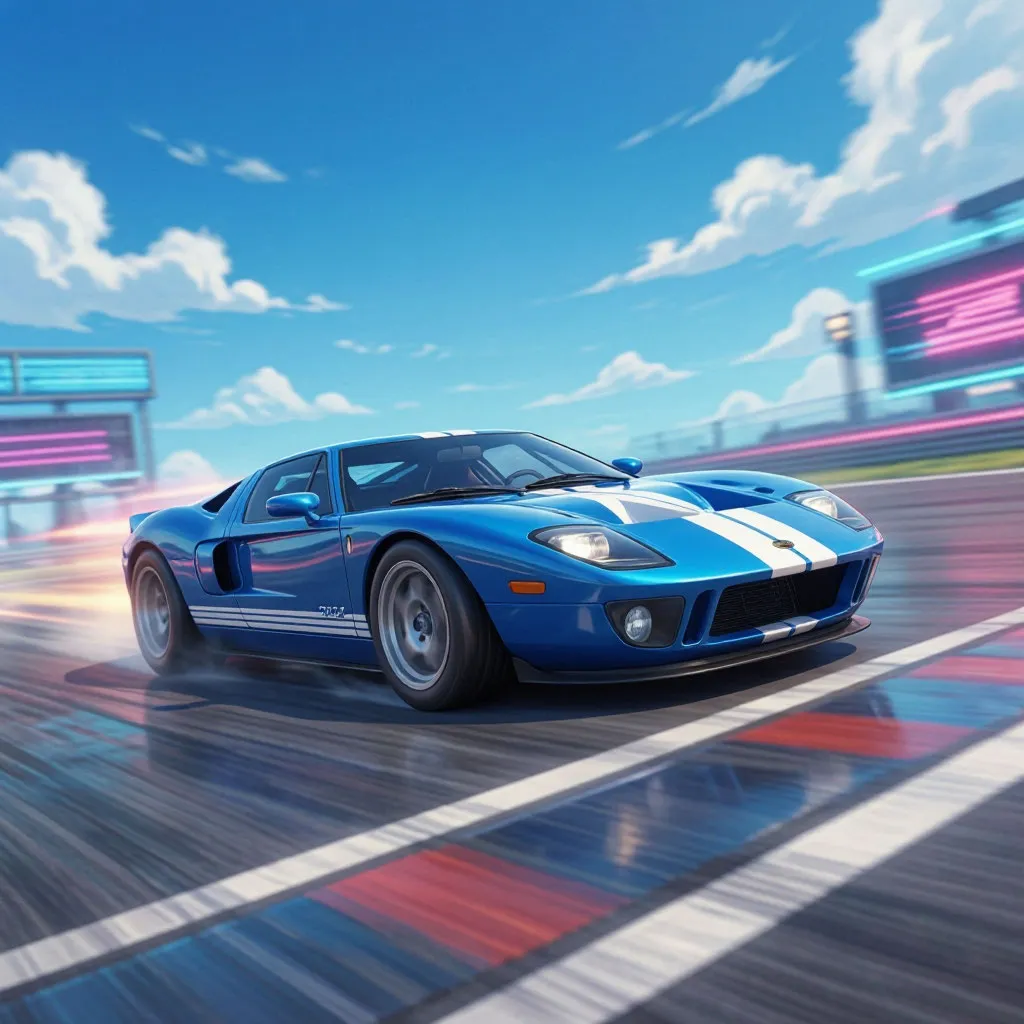
Remember the smell of plastic, the heavy force-feedback steering wheels, and the blindingly bright blue horizons of 90s arcades? There was a time when racing games did not care about tire degradation, realistic clutch simulation, or dreary grey rain-slicked asphalt. Instead, they invited you into an endless summer of saturated blues, neon pink sunsets, and high-energy electronic beats. This optimistic visual design, affectionately dubbed the sega blue skies philosophy, defined a generation of gamers who spent their spare change chasing horizons in games like OutRun and Daytona USA. Thankfully, this sunny spirit has found a second home on modern computers, allowing players to bypass the dark realism of modern simulators in favor of pure, unadulterated speed.
The philosophy of sunny arcade aesthetics
The term itself represents more than just a literal color choice; it is a design manifesto. During the 1990s, developers realized that players wanted to escape the mundane reality of daily commutes, offering them idealized coastal highways, majestic mountain passes, and futuristic cityscapes under a perpetual, perfect sun. In a market currently dominated by hyper-realistic racing sims that require hours of practice just to keep the car on the track, the return to this cheerful aesthetic is a breath of fresh air. Modern indie developers are actively tapping into this nostalgic reservoir, crafting experiences that prioritize immediate fun, responsive drifting, and eye-popping color contrasts.
The finest retro arcade racers Steam has to offer
Finding these digital gems on modern distribution platforms is easier than ever, as a passionate wave of indie creators has dedicated itself to keeping the low-poly, high-speed dream alive. If you are looking to turn your monitor into a gateway to a coastal paradise, several modern releases stand out for their exceptional execution of classic mechanics.
- Hotshot Racing: a colorful polygonal racer that captures the spirit of Virtua Racing with its flat-shaded 3D graphics and intense slipstreaming action.
- Horizon Chase Turbo: a direct love letter to classic 16-bit racers like Top Gear, offering a massive globetrotting campaign filled with beautiful low-poly horizons.
- Slipstream: a gorgeous pseudo-3D sprite-scaling game that perfectly recreates the visual style and drifting physics of OutRun using modern engine technology.
- Formula Retro Racing: a retro-inspired formula car racer that blends the ultra-smooth sixty frames per second gameplay of modern PCs with the blocky, clean art style of early Sega arcade cabinets.
Each of these titles approaches the nostalgic formula from a slightly different historical angle, ranging from 16-bit sprite scalers to early flat-shaded 3D polygons. However, they all share a common goal: delivering instant gratification through simple, responsive controls and a relentless sense of forward momentum.
Comparing the top modern arcade racers
While all these titles draw inspiration from the same nostalgic well, their specific gameplay loops and mechanical focuses differ significantly. Choosing the right game depends on whether you prefer the flat-shaded polygon charm of the mid-90s or the scaling sprite work of the late-80s.
The following analysis breaks down the unique visual identities, musical styles, and gameplay focuses of these prominent indie releases available on PC today:
| Game title | Visual aesthetic | Music genre | Primary gameplay hook |
|---|---|---|---|
| Hotshot Racing | flat-shaded polygons | high-tempo electronic | drift and slipstream mechanics |
| Horizon Chase Turbo | low-poly 3D | synthwave and chiptune | nitro management and fuel collection |
| Slipstream | pseudo-3D sprite scaling | chill synthwave | precise drift timing and slipstreaming |
| Formula Retro Racing | low-polygon retro | upbeat rock and synth | high-speed cornering and time trial |
By comparing these characteristics, players can easily identify which game aligns best with their personal taste in retro aesthetics. Whether you want to drift through a purple sunset in a sprite-scaled sports car or trade paint with blocky formula cars on a sunny beach track, there is an option tailored for your specific nostalgic desires.
Why drift and speed reign supreme over realism
The appeal of outrun style games pc players enjoy lies in their liberating physics models. In a simulation, hitting a wall at two hundred miles per hour results in a ruined engine and a frustrating restart; in a retro arcade racer, it is merely a minor setback on your way to the next checkpoint. Drifting is not a complex balancing act of throttle control and weight transfer, but a deliberate, satisfying slide initiated with a single tap of the brake pedal. This simplified approach removes the entry barrier for casual players while still offering plenty of depth for time-trial enthusiasts looking to shave milliseconds off their personal bests on global leaderboards.
Defining elements of a classic arcade racer
To truly capture the essence of the golden age, a game must do more than simply use bright colors; it needs to carefully orchestrate several key design elements to create a cohesive sensory experience. When searching for the ultimate throwback experience among retro arcade racers steam users should look for specific hallmarks of the genre.
The core pillars that elevate a simple nostalgic tribute into a modern masterpiece include:
- Responsive drift mechanics: allowing players to slide through tight corners without losing massive amounts of momentum.
- Vibrant color palettes: replacing muted grey tones with rich blues, warm oranges, and neon pinks that pop on modern screens.
- Driving electronic soundtrack: featuring energetic synthwave or chiptune tracks that synchronize perfectly with the sense of speed.
- Local split-screen support: keeping the social couch-gaming tradition alive by allowing friends to compete side-by-side.
When these four pillars are executed correctly, they create a hypnotic gameplay loop that makes hours feel like minutes. It is this specific combination of sensory inputs that made the original cabinets so addictive, and modern indie developers have mastered the art of replicating this formula for home setups.
Finding your virtual highway
Stepping onto these vibrant virtual tracks is an invitation to leave behind the stressful complexities of realistic simulation and remember why we fell in love with digital driving in the first place. With a growing library of sunny, optimistic retro titles available on modern platforms, there has never been a better time to grab a controller, crank up the volume, and drive directly into the sunset under those endless, beautiful skies.