
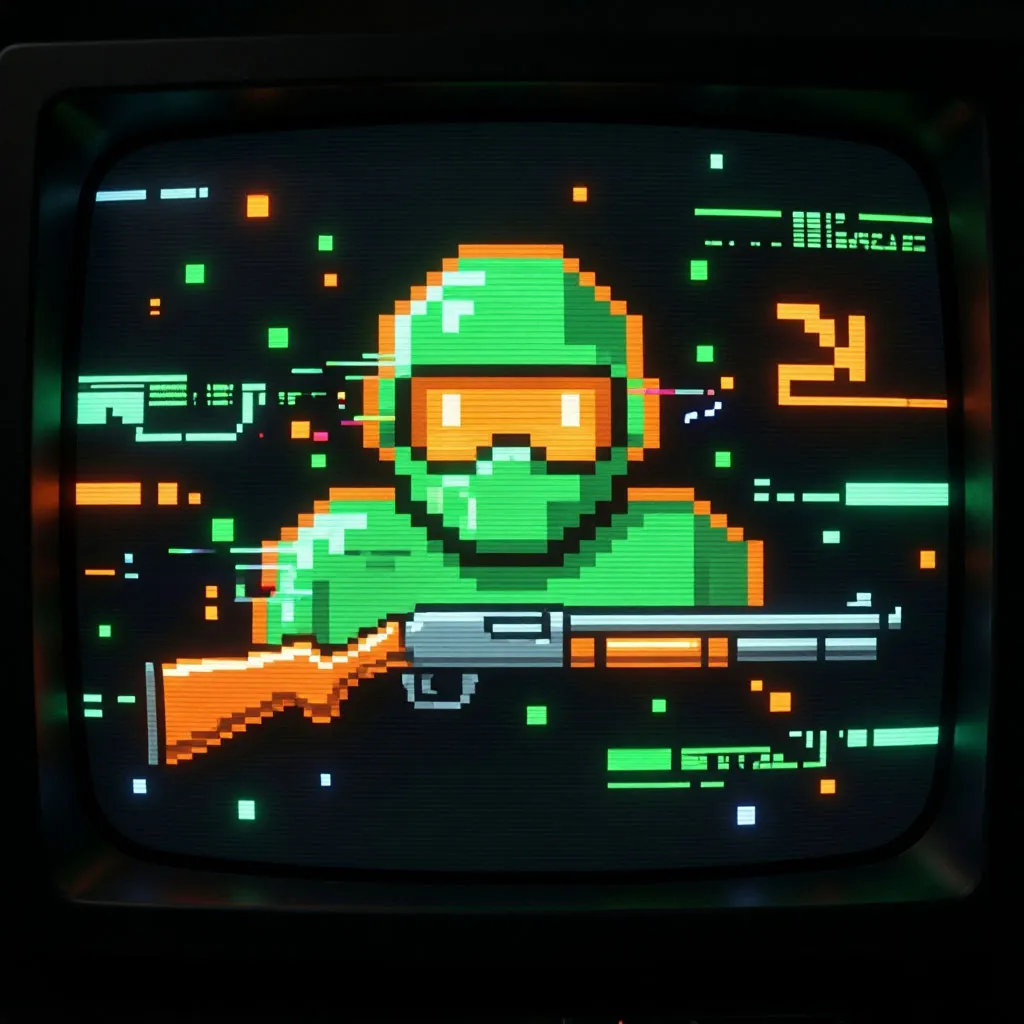
The modern landscape of first-person shooters has reached a point of saturation, driving many players away from hyper-realistic military simulators and toward the chaotic speed of boomer shooters pc gamers cannot get enough of. For years, major studios prioritized cinematic graphics, complex gear-grinding, and aggressive monetization over raw, unadulterated fun. This corporate approach eventually created a collective longing for the golden era of the 90s, where narrative took a backseat to lightning-fast movement, intricate level secrets, and heavy weaponry. Today, this passionate nostalgia has sparked a massive revival, turning once-niche indie projects into mainstream PC success stories.
The fatigue of modern realism
The current frustration with mainstream shooters stems from a predictable formula that values cinematic immersion over player agency. Many contemporary titles force players into rigid corridors, slow them down with stamina bars, and interrupt the action with frequent, unskippable cutscenes.
To understand why players are abandoning high-budget military simulators, we must look at the specific design choices that have drained the excitement from modern releases:
- Regenerative health: a mechanic that rewards hiding behind cover rather than playing aggressively
- Linear level design: corridors that guide players by the hand, removing all exploration and discovery
- Intrusive tutorials: long onboarding sequences that delay the actual gameplay for hours
- Live-service models: systems designed to prioritize daily log-ins and battle pass progression over fun
- Slow character movement: realistic walking speeds that eliminate the thrill of circle-strafing
These restrictive design elements have made mainstream experiences feel more like interactive movies than challenging tests of skill. By stripping away these modern hand-holding systems, retro-style shooters offer an empowering return to form where success depends entirely on reflexes and spatial awareness.
Defining the retro shooter renaissance
At the heart of this movement is a deep appreciation for the iconic layout of 90s level design. The best retro fps games steam hosts today successfully resurrect the maze-like structures, hidden keys, and secret chambers popularized by Doom and Quake.
To see how different development teams approach this nostalgic design, we can examine the structural choices of the most prominent titles currently leading the market. The following comparison highlights the diverse technologies and creative directions fueling the genre:
| Game title | Visual style | Engine foundation | Standout feature |
|---|---|---|---|
| Dusk | Low-poly 3D | Unity engine | Intoxicated movement: physics-defying front flips |
| Ion Fury | Sprite-based 2.5D | Build engine | Interactive environments: destructible physics and secrets |
| Selaco | Highly detailed sprites | GZDoom engine | Advanced enemy AI: tactical flanking and squad communication |
| Cultic | Gritty pixelated 3D | Unity engine | Dark atmosphere: physics-based object throwing |
Analyzing these projects reveals that developers are not merely copying the past; they are actively enhancing classic frameworks with modern engineering. By pairing retro visual styles with buttery-smooth frame rates, modern physics, and intelligent enemy behavior, these titles deliver an experience that feels exactly how you remember 90s games playing, rather than how they actually played.
Titans of the revival and New Blood Interactive
A major driving force behind this creative explosion is the emergence of projects inspired by vintage engines. Devoted indie developers have leveraged modern software to craft authentic build engine style games that run flawlessly on current hardware.
Among the vast selection of titles, a few key games stand out as absolute masterpieces that every PC gamer must experience to fully appreciate the depth of this movement:
- Dusk: the modern classic that ignited the entire revival with its rural horror aesthetic and flawless movement mechanics.
- Ion Fury: a genuine throwback developed on the actual code of Duke Nukem 3D, offering massive vertical levels and intense firearm action.
- Selaco: a jaw-dropping sci-fi shooter that pushes the ancient GZDoom engine to its absolute limits with destructible environments and smart enemies.
- Cultic: a highly atmospheric, single-developer project that captures the brown-and-gray aesthetic of Blood while introducing modern explosive physics.
These outstanding titles prove that there is immense creative freedom within the retro FPS space. Publishers like New Blood Interactive have cultivated a dedicated community by treating developers with respect and ensuring that every release prioritizes deep mechanical satisfaction over trend-chasing.
The future of old-school action
The ongoing success of these fast-paced shooters shows no signs of slowing down as more players seek out pure gameplay over corporate-designed grinds. By combining the absolute best elements of classic design with modern performance optimizations, indie developers have permanently secured a place for retro shooters at the top of PC gaming. Whether you are a veteran player who grew up on shareware floppy disks or a newcomer looking for a genuine challenge, the world of modern retro shooters has something incredible to offer.